
The Growing Popularity of Sustainable Home Improvements
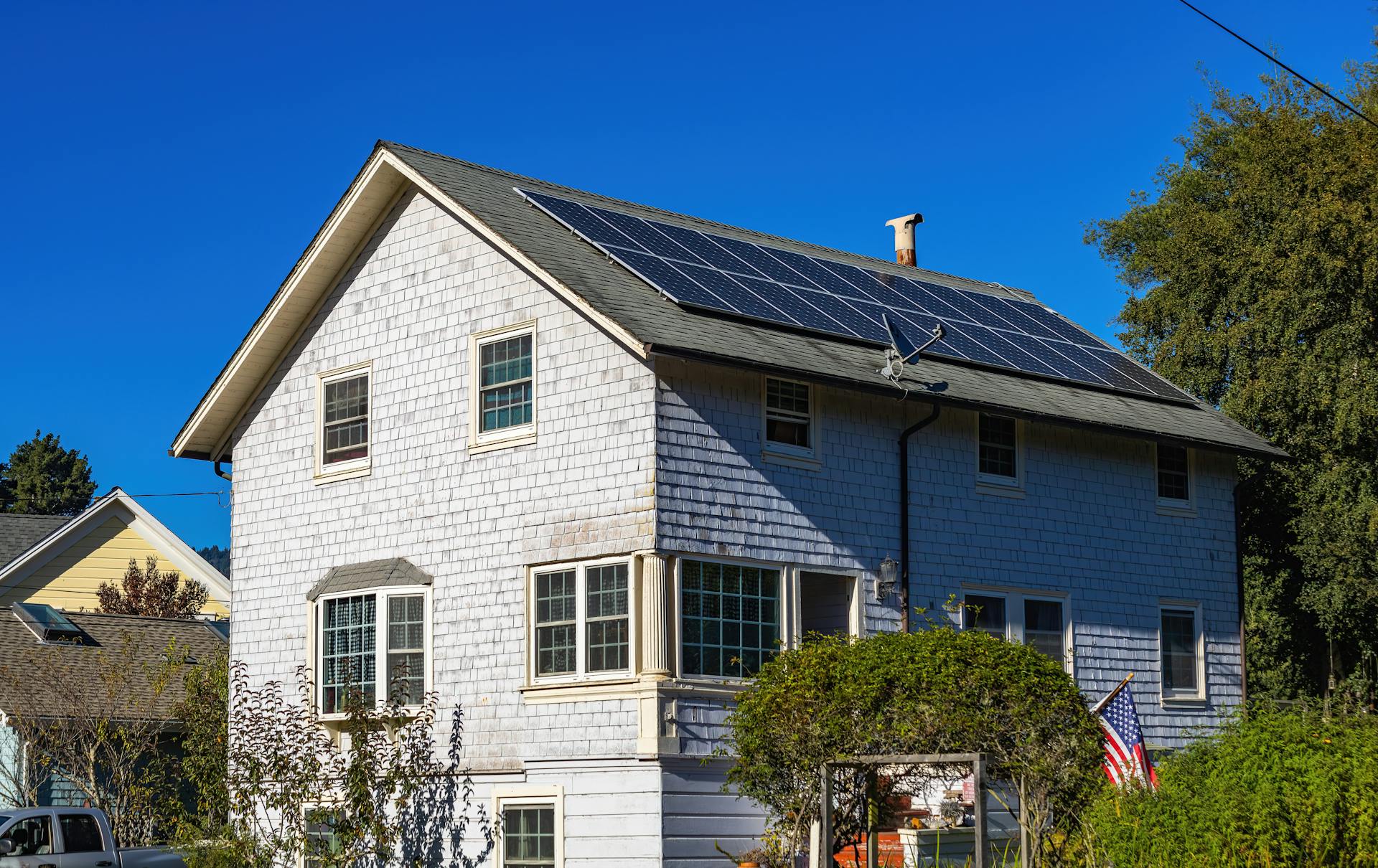
Sustainable home improvements are upgrades to residential properties that reduce environmental impact while improving efficiency and long-term performance. These improvements often focus on reducing energy consumption, minimizing waste, and using materials that have lower environmental footprints. As awareness of environmental issues increases, more homeowners are considering how their living spaces contribute to broader ecological conditions. This shift reflects a growing interest in balancing comfort, functionality, and environmental responsibility within everyday living environments.
Energy Efficiency as a Central Motivation
Energy efficiency is one of the primary drivers behind sustainable home improvements. Homes require energy for heating, cooling, lighting, and appliance use, all of which contribute to overall consumption levels. Improvements such as better insulation, energy-efficient windows, and upgraded systems help reduce the energy needed to maintain comfortable indoor conditions. This reduction in energy demand not only supports environmental goals but also influences long-term household resource use. The focus on efficiency highlights how sustainability and practical living needs often overlap in home improvement decisions.
The Role of Renewable and Low-Impact Materials
The choice of materials plays a significant role in sustainable home upgrades. Many homeowners are turning to renewable, recyclable, or lower-impact materials. These materials are used in flooring, construction, insulation, and interior design elements. The selection process often considers durability and environmental footprint alongside appearance and cost. By incorporating materials that reduce long-term environmental strain, sustainable home improvements contribute to more responsible construction and renovation practices. This focus on material impact reflects a broader shift in how homes are designed and maintained.
Water Efficiency and Resource Management
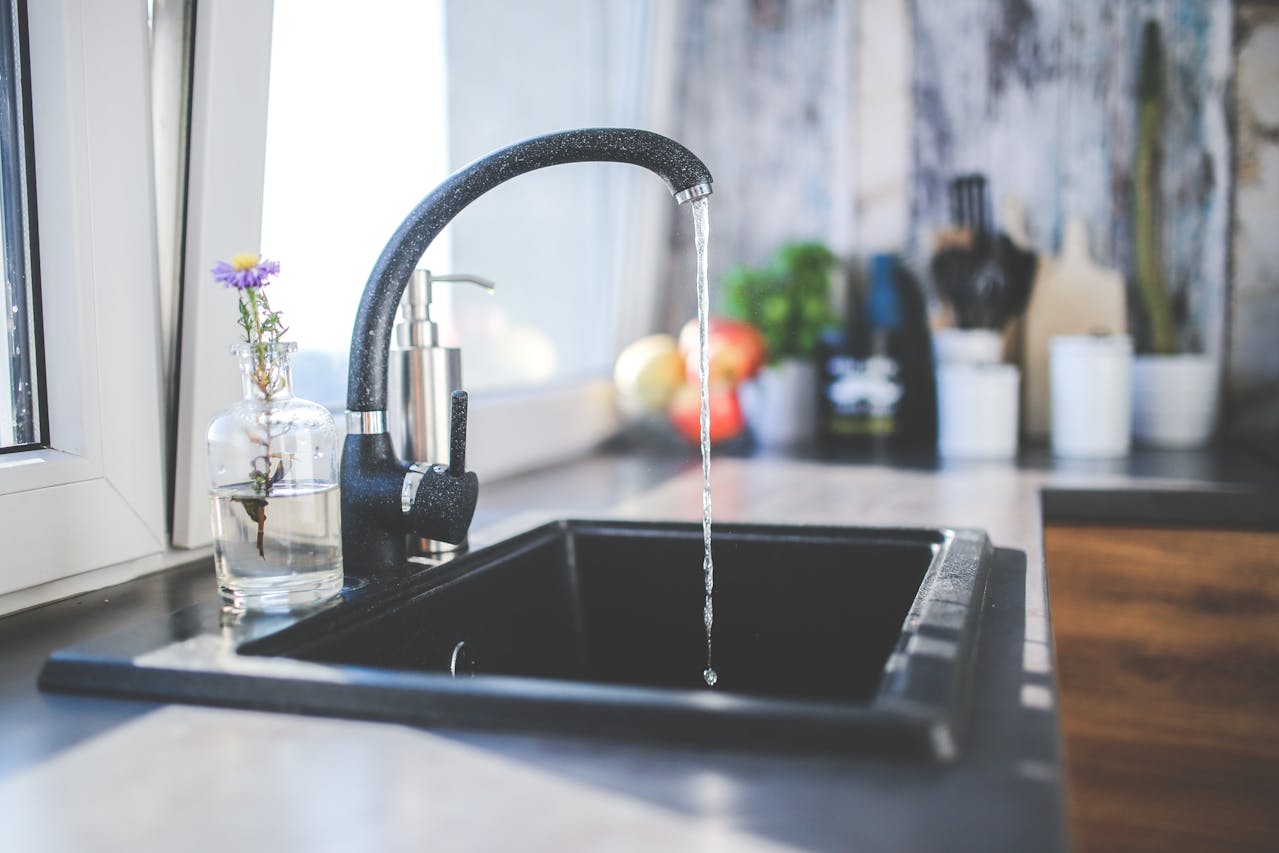
Water usage is another important factor in sustainable home design. Improvements that reduce water consumption help manage household resources more efficiently. These may include systems that regulate water flow or technologies that reduce waste in daily use. Efficient water management supports both environmental conservation and household resource control. As water availability becomes an increasing concern in many regions, these improvements are gaining attention as part of broader sustainability efforts. This aspect of home improvement demonstrates how resource management extends beyond energy use alone.
Long-Term Value and Lifestyle Considerations
Sustainable home improvements are often evaluated not only for their environmental benefits but also for their long-term value. Efficient systems and durable materials can reduce maintenance needs and support more stable household performance over time. These improvements may also influence how individuals experience their living environment by creating more consistent indoor conditions. The growing popularity of sustainability reflects a combination of practical benefits and lifestyle considerations. Homeowners increasingly view these upgrades as part of long-term planning rather than short-term modifications.
The growing popularity of sustainable home improvements is driven by increased awareness of environmental impact, a focus on energy and water efficiency, and the use of low-impact materials. These changes reflect a broader shift toward responsible resource use and long-term value in residential living. By integrating efficiency and sustainability into home design, homeowners create more balanced, environmentally conscious living spaces. This trend highlights how both practical needs and environmental considerations increasingly shape modern housing decisions.


