
The Growing Popularity of Sustainable Home Improvements
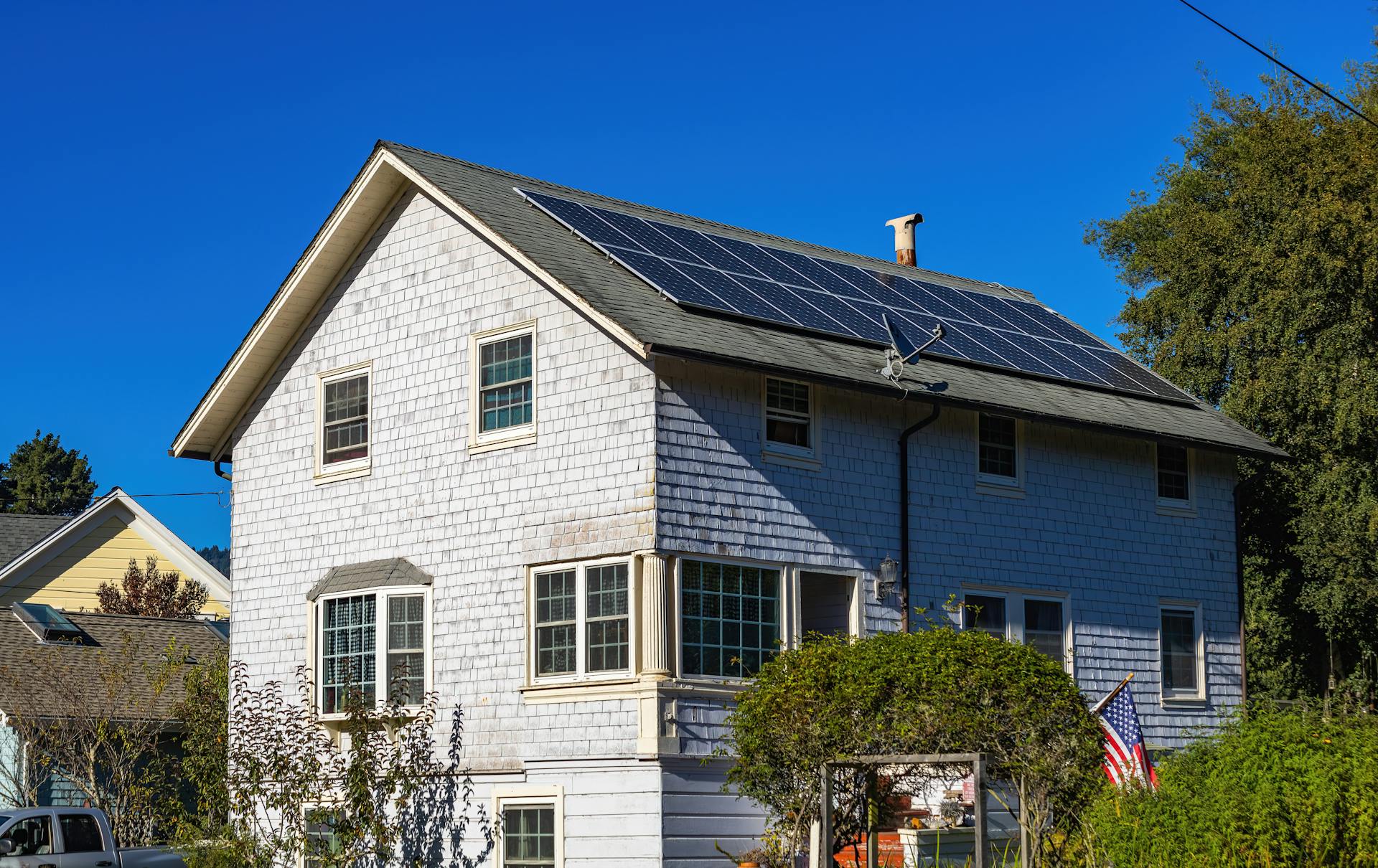
Sustainable home improvements are upgrades to residential properties that reduce environmental impact while improving efficiency and long-term performance. These improvements often focus on reducing energy consumption, minimizing waste, and using materials that have lower environmental footprints. As awareness of environmental issues increases, more homeowners are considering how their living spaces contribute to broader ecological conditions. This shift reflects a growing interest in balancing comfort, functionality, and environmental responsibility within everyday living environments.
Energy Efficiency as a Central Motivation
Energy efficiency is one of the primary drivers behind sustainable home improvements. Homes require energy for heating, cooling, lighting, and appliance use, all of which contribute to overall consumption levels. Improvements such as better insulation, energy-efficient windows, and upgraded systems help reduce the energy needed to maintain comfortable indoor conditions. This reduction in energy demand not only supports environmental goals but also influences long-term household resource use. The focus on efficiency highlights how sustainability and practical living needs often overlap in home improvement decisions.
The Role of Renewable and Low-Impact Materials
The choice of materials plays a significant role in sustainable home upgrades. Many homeowners are turning to renewable, recyclable, or lower-impact materials. These materials are used in flooring, construction, insulation, and interior design elements. The selection process often considers durability and environmental footprint alongside appearance and cost. By incorporating materials that reduce long-term environmental strain, sustainable home improvements contribute to more responsible construction and renovation practices. This focus on material impact reflects a broader shift in how homes are designed and …


