
The Biggest Mistakes People Make When Setting Up a Home Office
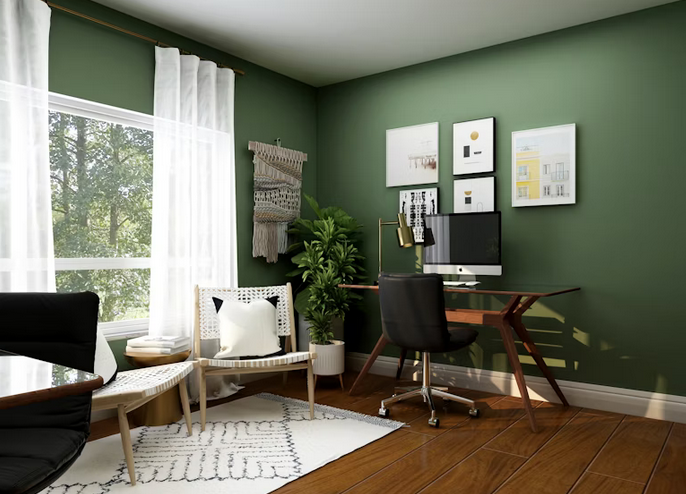
Are you setting up a home office but worried about making costly mistakes that could hurt your productivity? Many people are eager to create a workspace at home, but in the rush, they often overlook the key details that make all the difference. From poor furniture choices to ignoring lighting, these errors can quickly turn your office into a place of discomfort instead of efficiency. A home office should not just be a desk and chair in a corner — it requires careful thought about comfort, organization, and function. If you’ve been struggling to stay focused while working from home, chances are your workspace setup might be part of the problem. Let’s explore the most common mistakes and how to avoid them.
Choosing the Wrong Furniture
One of the biggest mistakes people make is selecting furniture based on looks rather than practicality. A dining chair might seem convenient, but sitting on it for hours can cause serious discomfort. The same goes for desks that are too high or too low. Your chair should offer proper back support, and your desk height needs to allow your arms to rest comfortably without strain. Investing in ergonomic furniture can prevent long-term health issues like back pain, neck stiffness, and fatigue.
Poor Lighting Setup
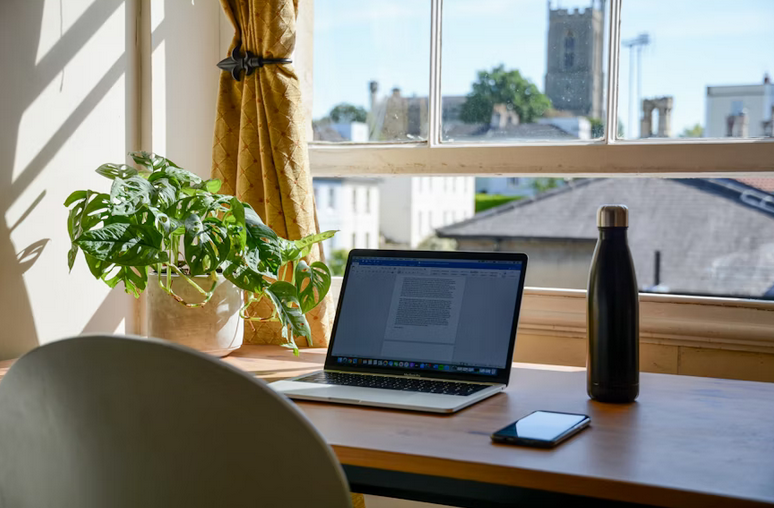
Lighting plays a crucial role in productivity, yet many overlook it. A dark or poorly lit room can make you feel drowsy, while too much artificial light can cause headaches. Relying only on ceiling lights or positioning your desk where sunlight hits your computer screen creates unnecessary strain. The best option is a balance: natural light from the side, supported by adjustable desk lamps that reduce glare. Proper lighting improves focus and reduces eye strain during long hours of work.
Ignoring Cable Management and Organization
Clutter is a silent productivity killer. Tangled cords, misplaced documents, and random office supplies can quickly overwhelm your workspace. Many people underestimate how much messy cables and unorganized setups disrupt concentration. Using simple tools like cable clips, trays, or wireless accessories can keep things tidy. Storage solutions like shelves, drawers, or filing cabinets also help maintain order. A clean and organized desk makes it easier to think clearly and stay on top of daily tasks.
Overlooking Technology Needs
Another common mistake is assuming that any laptop or old computer will do. Slow internet, outdated devices, or lack of proper accessories can cause endless frustration. For example, skipping an external monitor might leave you squinting at small screens, while ignoring a good headset can make virtual meetings stressful. Setting up your home office with reliable internet, updated software, and supportive tech accessories is crucial. Spending a little more on quality technology saves you from wasted time and stress.
Forgetting About Ergonomics and Comfort
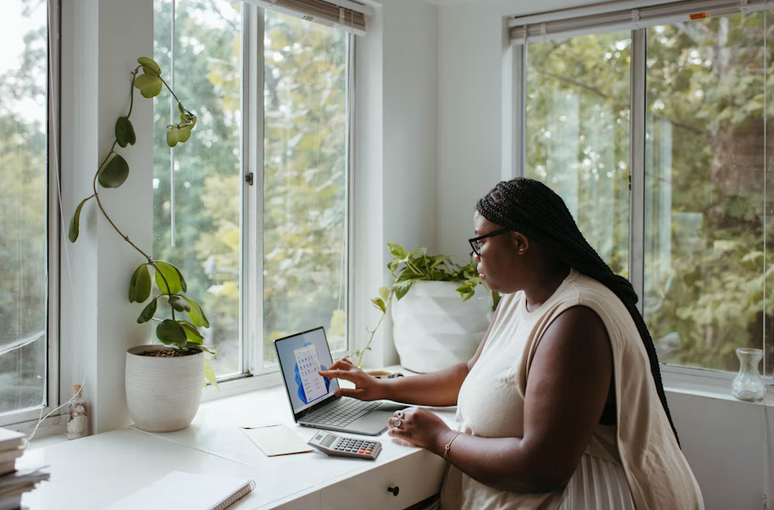
Comfort is often an afterthought, but it should be at the core of a productive workspace. Poor posture, uncomfortable seating, or desks that don’t suit your height can harm your health over time. Ergonomics isn’t about luxury — it’s about functionality that supports your body. Your monitor should be at eye level, your wrists supported while typing, and your chair should encourage good posture. Simple adjustments, like a footrest or lumbar cushion, can make working at home much more pleasant.
Lack of Personalization and Boundaries
While some people clutter their offices, others make them too bare, which can drain motivation. A completely plain room with no personality often feels uninspiring. Adding small touches like plants, wall art, or a motivational calendar can create an environment you actually enjoy spending time in. Beyond design, many forget to establish physical and mental boundaries. Mixing office space with family or personal areas can blur lines and reduce productivity. A dedicated area that signals “work mode” helps maintain focus.
Setting up a home office is more than placing a desk and chair in a room. The top mistakes to avoid include choosing uncomfortable furniture, ignoring proper lighting, letting clutter build up, neglecting technology needs, and overlooking ergonomics. These errors can affect your focus, comfort, and efficiency. By taking time to design a space that balances practicality, comfort, and inspiration, you’ll create a home office that truly supports your productivity and well-being.


